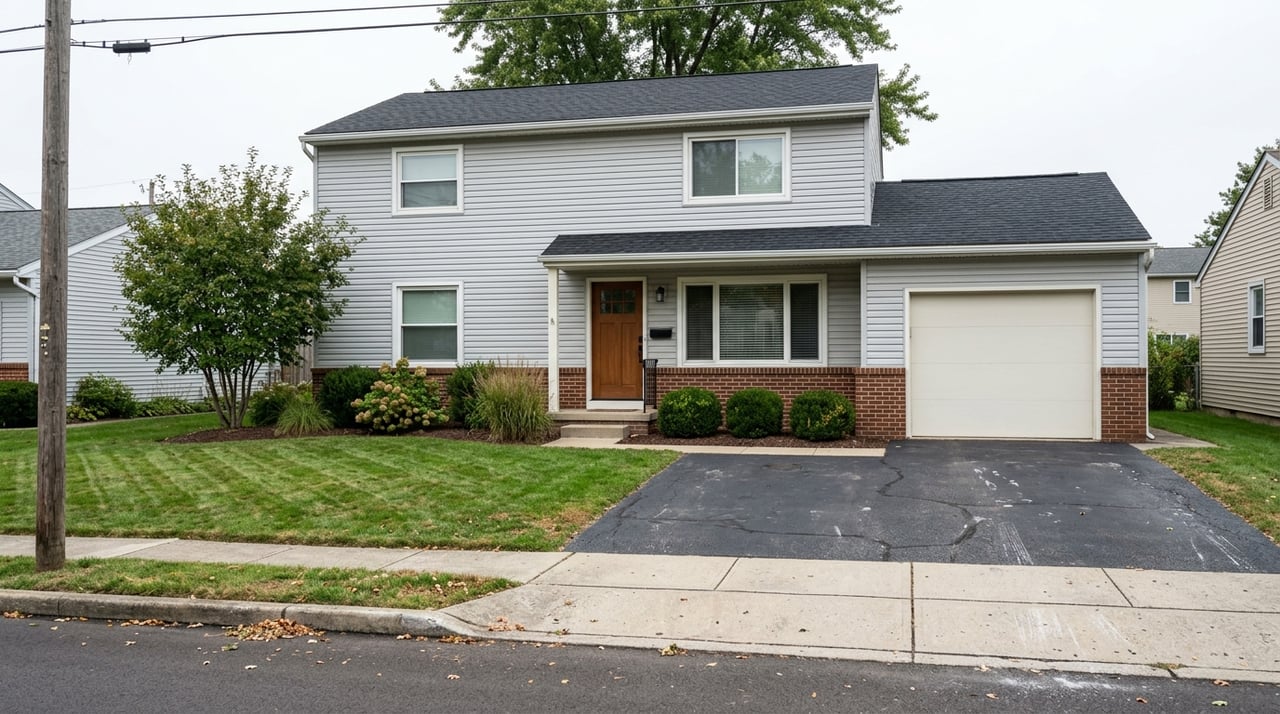
Glen Rock NJ Commuter Options For Homebuyers
June 11, 2026
June 11, 2026
Wondering whether Glen Rock can really support your commute without turning every weekday into a puzzle? If you are home shopping in Bergen County, commute options often shape not just where you buy, but how your day feels once you live there. The good news is that Glen Rock gives you more than one practical path into North Jersey job hubs and Manhattan, and understanding those options can help you choose the right home with more confidence. Let’s dive in.
Glen Rock offers something many buyers want but do not always find in one town: multiple in-town transit choices. The borough has two NJ Transit rail stations in its downtown area, plus bus service, which gives you flexibility if your work schedule, destination, or parking needs change.
The two train stations are Glen Rock Boro Hall on Harding Plaza and Glen Rock Main Line on Rock Road near Main Street. Both sit on the Main-Bergen County corridor, which means you are looking at a commuter setup built around rail access right in town rather than a single all-or-nothing station option.
Glen Rock Boro Hall is located on Harding Plaza between Maple Avenue and Rock Road. For many buyers, the key detail here is parking. This station area is more permit-oriented, with several municipal lots tied to resident annual permit arrangements and some nonresident daily or monthly options.
If you expect to drive to the station most mornings and want a routine parking plan, Boro Hall may be the more relevant station to study. Buyers looking at homes near Harding Plaza often focus on whether they can walk, do a short drop-off, or make use of permit-based parking over time.
Glen Rock Main Line sits on Rock Road near Main Street. This station is more daily-parking oriented, which can matter if you prefer pay-as-you-go flexibility rather than relying on a permit structure.
NJ Transit lists daily lots here, including a 147-space lot at Rock Road and Doremus Avenue and a 51-space lot at Main Street and Rock Road. Both are listed at $14.40 per day, which gives buyers a concrete number to factor into their monthly commute costs.
If commute convenience is high on your priority list, the best station for you may come down to one simple question: Do you want permit-style predictability or daily parking flexibility?
Boro Hall may fit buyers who want to center their search around Harding Plaza and a more permit-based parking setup. Main Line may appeal if you want easy access to daily lots and like the idea of flexible station parking without the same permit emphasis.
For some buyers, the answer is even simpler. If you can find a home within a comfortable walk of either station, you may reduce your dependence on parking altogether, which can make everyday commuting more predictable.
Rail is not your only option in Glen Rock. NJ Transit’s route 164 serves Harding Plaza at Borough Hall on the way to Port Authority Bus Terminal, giving you a direct Manhattan-bound bus option from town.
That matters because real life does not always follow a perfect train schedule. A direct bus can serve as a fallback when your routine changes, when you prefer a no-transfer trip, or when you want another option available close to home.
The tradeoff is that bus travel is generally more traffic-sensitive than rail. Even so, having a local bus option adds another layer of flexibility that many buyers value when comparing commuter suburbs.
Many buyers today are not commuting to just one place five days a week. You may need access to Midtown one day, Hoboken another day, and Jersey City or Newark on a different schedule.
Glen Rock works well for that kind of regional pattern because it connects into a larger North Jersey transit network. For Penn Station New York trips, North Jersey riders use Secaucus Junction for connections, making Secaucus the key transfer point to understand.
Based on the current weekday timetable effective May 31, 2026, Glen Rock to Hoboken is usually about 30 to 45 minutes by train. That makes Hoboken a realistic destination for many daily commuters.
Hoboken also functions as more than an endpoint. The station connects to PATH, NJ Transit trains and buses, Hudson-Bergen Light Rail, and NY Waterway ferry service to Manhattan, so it can open up several onward options depending on where you work.
Glen Rock to Secaucus is roughly 15 to 35 minutes by train based on the same weekday timetable. From there, Midtown Manhattan via Secaucus and New York Penn is usually about 35 to 60 minutes total once transfer time is included.
That range is useful when you are weighing home choices. It shows that a Glen Rock commute to Manhattan can be practical, but your exact experience will depend on train timing and transfer coordination rather than a guaranteed single travel number.
Jersey City and Newark are workable from Glen Rock, though these trips usually involve a transfer instead of a one-seat ride. PATH serves Jersey City stations including Journal Square, Grove Street, Exchange Place, and Newport, and it also serves Newark.
If your route runs through Hoboken, PATH becomes especially important. The weekday timetable indicates Hoboken-to-World Trade Center PATH connections of roughly 11 to 13 minutes, which can help you estimate total trip flow if Lower Manhattan or PATH-connected Jersey City stops are part of your routine.
When you buy in Glen Rock, your commute is not just about the town. It is also about which part of town fits your routine best.
The most commuter-centric locations are generally the homes closest to Harding Plaza and Rock Road or to Rock Road and Main Street. That is not a formal pricing rule, but it is a practical reflection of how the borough’s transit layout works day to day.
Buyers who care most about a predictable commute often focus first on station access. In many cases, a shorter walk or drive to the station can matter just as much as an extra room or a slightly different floor plan.
A safe way to think about pricing in Glen Rock is qualitative, not formula-based. Homes near the stations are likely to attract stronger attention from buyers who prioritize easy commuting.
Homes farther from the station areas may still be very appealing, but they often need to compete more on other factors like house size, updates, layout, or overall value. If you are comparing two homes with similar features, access to Harding Plaza or Rock Road can become the tiebreaker.
This is why a buyer search should go beyond bedroom count and lot size. In a commuter town, the route from your front door to your train or bus can shape resale appeal as well as your daily convenience.
As you tour homes in Glen Rock, try to assess commute fit in real-world terms instead of broad assumptions. A home may look close on a map but feel very different when you think through parking, walking, and transfer patterns.
Here are a few smart questions to ask as you compare properties:
These questions can help you narrow your search faster. They also make it easier to balance home features with the lifestyle you want after closing.
On paper, Glen Rock’s commuter options look simple. In practice, the best fit depends on how you live, where you work, and which transit pattern feels sustainable over time.
That is where local, neighborhood-level guidance helps. If you are choosing between homes near Boro Hall, Main Line, or farther from the station core, you want advice that connects the map to your everyday life, not just the listing sheet.
If you are planning a move in Bergen County and want help weighing commute access against home value, layout, and long-term goals, Christoulla Crawford can help you make a smart, locally informed decision.


I work with sincerity and have built my company's foundation on the strong values of integrity, efficiency, client advocacy, and results. I have many years of experience with project management before diving into the real estate industry, and I go the extra mile to deliver customer satisfaction. Begin your journey into real estate with me today.