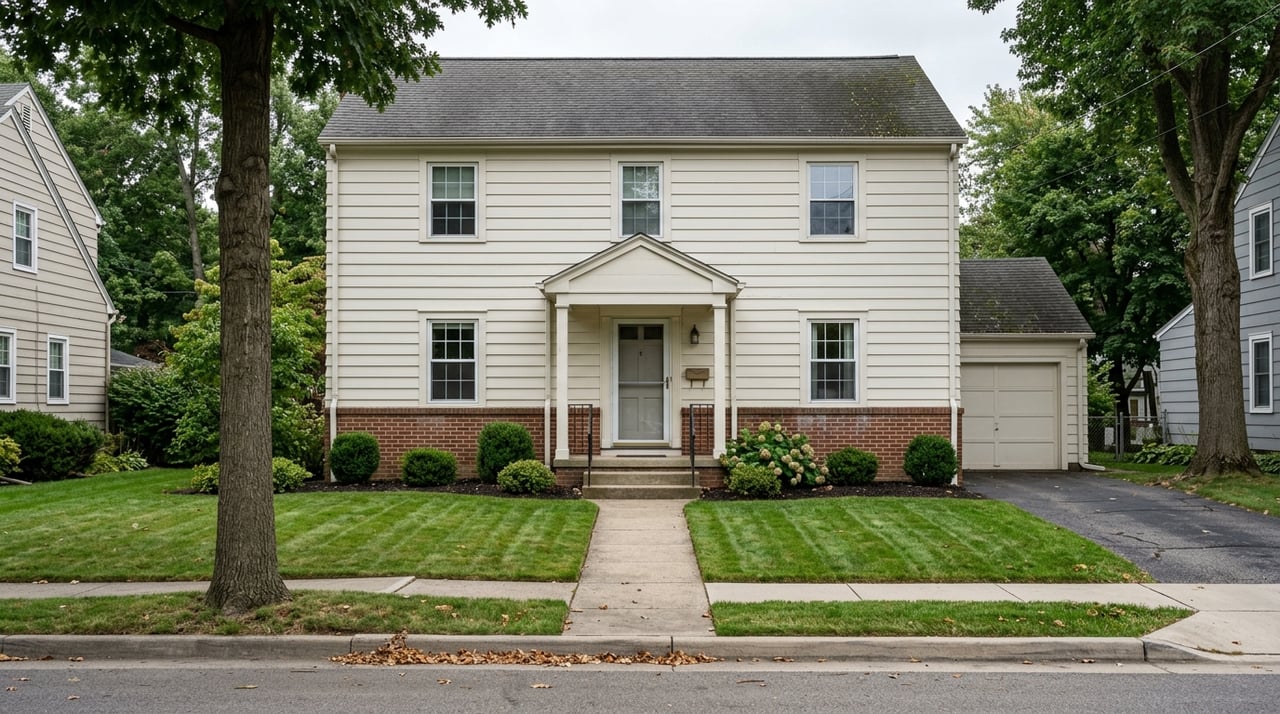
Ridgewood NJ Historic Homes: A Guide to Neighborhood Character
June 4, 2026
June 4, 2026
If you are drawn to older homes with real curb presence, Ridgewood gives you a lot to look at. From porch-lined residential streets to a downtown shaped by the railroad era, the village has a strong historic identity that still shows up in everyday life. If you are thinking about buying or selling here, it helps to understand where that character comes from, what makes one area feel different from another, and how local preservation rules can affect a property. Let’s dive in.
Ridgewood’s historic character did not happen all at once. The village grew in different phases, starting with early roads and farm edges, then expanding through late 19th- and early 20th-century suburban development, with downtown shaped in part by the railroad station and commuter growth.
That layered growth is a big reason Ridgewood does not feel flat or uniform. Instead, you see a mix of house forms, lot patterns, streetscapes, and architectural styles that reflect different periods of development.
The village has also taken a formal approach to preservation. Ridgewood’s published preservation materials identify 11 locally designated historic districts and 146 individual landmarks, with a goal of protecting historic assets and encouraging repair rather than replacement of historic fabric.
For buyers and owners, the key point is that local rules matter. Ridgewood has a Historic Preservation Commission that advises on development questions, and the village also maintains separate design guidelines for the Village Center Historic District.
It is also important to know that State or National Register listing by itself does not restrict a private owner’s basic rights in New Jersey. Even so, local zoning and preservation ordinances can still apply, which means the specific property and district context matter.
In practical terms, Ridgewood’s review process focuses heavily on visible exterior character. The village’s Historic Preservation Commission review materials call for items such as renderings, photos, material samples, and details for signs, paint, awnings, and lighting, and the village states that exterior changes in the historic section of the central business district require an HPC application.
Ridgewood’s 11 locally designated historic districts are:
The village’s preservation inventory also highlights individual landmark buildings, including the Archibald-Vroom House, Beech Street School, and the Ridgewood Railroad Station Complex.
For many buyers, the most useful takeaway is that Ridgewood offers several different kinds of historic settings. Some areas read as cohesive residential streetscapes, some offer a wider architectural mix, and downtown has a classic main-street feel that is very different from the residential districts.
Brookside Avenue Historic District includes 22 residential properties along Brookside Avenue, Spring Avenue, and East Ridgewood Avenue. The homes date from 1880 to 1912 and were largely built for businessmen commuting to New York City.
The overall look here leans Colonial Revival and American Foursquare. You will often see porches, hipped or cross-gabled roofs, shingle or clapboard siding, and a mix of individually designed and speculative houses.
The Heights Historic District is Ridgewood’s largest residential historic district, with more than 220 contributing properties on more than 20 streets. Most homes are detached 2- to 2.5-story single-family residences built from about 1890 to 1930.
This district is especially eclectic. Tudor Revival is the dominant style, but you also find Queen Anne, Colonial Revival, Arts and Crafts, Swiss Chalet, Dutch Colonial, Spanish Eclectic, Mediterranean Revival, French Renaissance, and Gothic Revival.
If you love architectural variety, the Heights stands out. Rather than repeating one house type over and over, it offers a broad visual mix while still reading as a historic area.
North Pleasant Avenue Historic District includes 16 properties along North Pleasant Avenue and East Ridgewood Avenue, both among Ridgewood’s earlier roads. The homes were developed between 1860 and 1930 and include everything from tradesmen’s houses to summer homes and commuter residences.
Common forms include detached 2- to 2.5-story dwellings with large attics, gabled or pyramidal roofs, porches, and rear-yard barns. Architectural styles include Gothic Revival, Italianate, Queen Anne, American Foursquare, Colonial Revival, Arts and Crafts, and vernacular designs.
North Van Dien Avenue Historic District has nine historic properties along both sides of North Van Dien Avenue south of Linwood Avenue. It developed mainly between 1897 and 1920 and is described as a collection of stately suburban homes on large lots.
Most of these homes were associated with New York commuters. The housing is generally 2.5 stories, three bays wide, and faced in shingles, stucco, or both, with American Foursquare and Colonial Revival especially common.
South Van Dien Avenue Historic District includes 10 properties along South Van Dien Avenue south of Spring Avenue. Its homes date from the 1860s through the early 1900s and reflect a mix of local-service families and commuter households.
The architecture is varied, with Queen Anne, Colonial Revival, Italianate, Gothic Revival, American Foursquare, Arts and Crafts, and vernacular examples. Most are detached 2- to 2.5-story houses with clapboard or shingle siding.
Spring Avenue Historic District includes 20 historic properties along Spring Avenue and South Irving Street. The area was laid out in the 1860s and 1870s, but most contributing homes were built from 1895 to 1910.
At that time, Ridgewood was marketing itself as an attractive suburban village for affluent New York commuters. Several homes here were important enough to appear in early promotional brochures, which says a lot about the district’s long-standing visual presence.
Cottage Place is smaller in scale but still significant. It includes landmark properties such as the Bungalow-Knothe House at 152 Cottage Place and the Knothe Property at 159 Cottage Place.
Both were designed by local builder Joseph H. Christopher for Frank F. Knothe. That connection ties the street to Ridgewood’s early civic and neighborhood development and gives the area a more enclave-like historic identity.
The Village Center Historic District is Ridgewood’s clearest classic downtown environment. It includes 125 properties in downtown Ridgewood, mostly dating from 1890 to 1950.
Its street pattern is linear, with East and West Ridgewood Avenue as the main axis and several public squares breaking up the grid, including Van Neste Square, Station Plaza, Wilsey Square, and Garber Square. That layout helps create the kind of pedestrian rhythm many people associate with an older downtown.
Most buildings are attached or semi-attached one- to three-story structures built to the street line. Storefronts, upper-story cornices, and a broad range of styles, from Renaissance Revival and Romanesque Revival to Tudor, Colonial Revival, Mission, Mediterranean Revival, and Art Deco, add to the classic streetscape.
The village’s design guidelines describe the area as retaining the pedestrian scale it developed between 1900 and 1950. They also frame it as a retail center with stores, offices, apartments above ground-floor shops, and important civic and cultural buildings.
For a buyer or seller, that means the Village Center offers more than architecture alone. Walkability, sidewalk activity, rail access, and older storefront character are central to how this part of Ridgewood feels day to day.
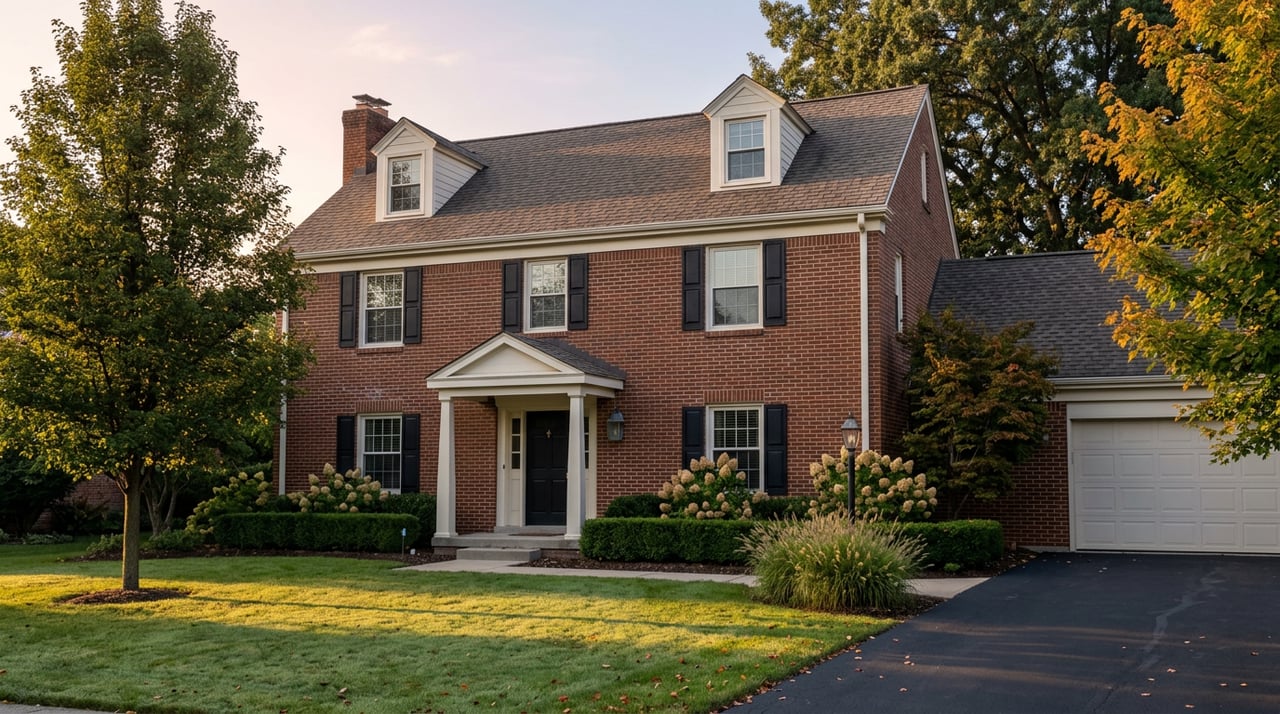
If you are shopping for an older or renovated home in Ridgewood, expect variety. Many houses were individually designed or built in small speculative batches, so floor plans, rooflines, additions, and exterior details can differ a lot from one property to the next.
That can be part of the appeal. Buyers who want architectural variety, front porches, mature neighborhood identity, and a more intact street presence often find Ridgewood especially attractive.
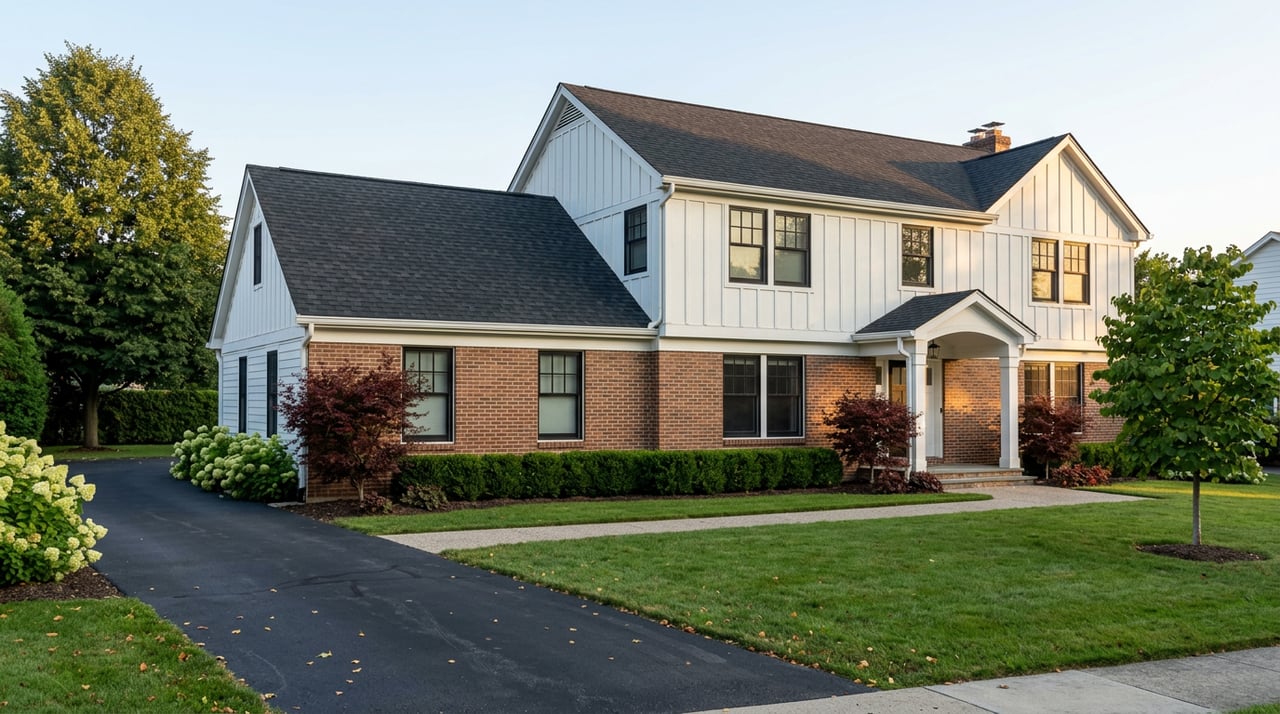
In some historic areas, renovated homes may keep their original street-facing rhythm even when interiors have been updated. That pattern fits Ridgewood’s preservation approach, though it is not a guarantee for any specific house.
This is one reason local guidance matters during a home search. When I help buyers compare older homes, the goal is not just to find a style you like. It is also to understand the property’s setting, the visible features that shape its character, and any local review considerations that may affect future exterior work.
If you are trying to narrow your search, it helps to think in terms of streetscape and visual consistency.
Based on the district descriptions in Ridgewood’s preservation materials, Brookside, Spring Avenue, North Pleasant, North Van Dien, South Van Dien, and the Village Center tend to read as the most consistently historic-looking areas. The Heights offers the broadest architectural mix, while Cottage Place feels more like a small landmark-rich enclave than a broad district.
That does not make one area better than another. It simply means your experience may differ depending on whether you want a more uniform historic look, a wider mix of architecture, or a downtown setting with older commercial buildings and public squares.
For buyers, neighborhood character can shape how a home feels long after the closing. In Ridgewood, that might mean a porch-lined block, a larger lot with an early suburban house, or a downtown-adjacent setting with a traditional main-street atmosphere.
For sellers, understanding your property’s architectural context can also help you position it more clearly. A home in a historic district is not just a list of room counts and upgrades. It may also offer period details, a recognizable streetscape, and a setting that buyers specifically seek out.
That is where local knowledge really matters. When you understand how Ridgewood’s historic districts differ, you can search smarter, market better, and make decisions with more confidence.
If you are exploring Ridgewood and want practical guidance on historic homes, neighborhood feel, or how to evaluate a specific property, reach out to Christoulla Crawford for a free market consultation.
I work with sincerity and have built my company's foundation on the strong values of integrity, efficiency, client advocacy, and results. I have many years of experience with project management before diving into the real estate industry, and I go the extra mile to deliver customer satisfaction. Begin your journey into real estate with me today.